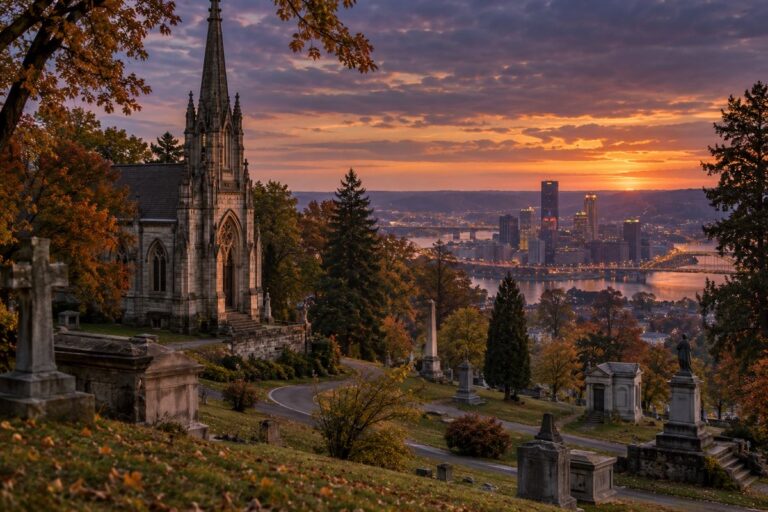
Founded in 1844, Allegheny Cemetery became a major rural cemetery whose landscape, architecture, monuments, and records reflect generations of Pittsburgh history.
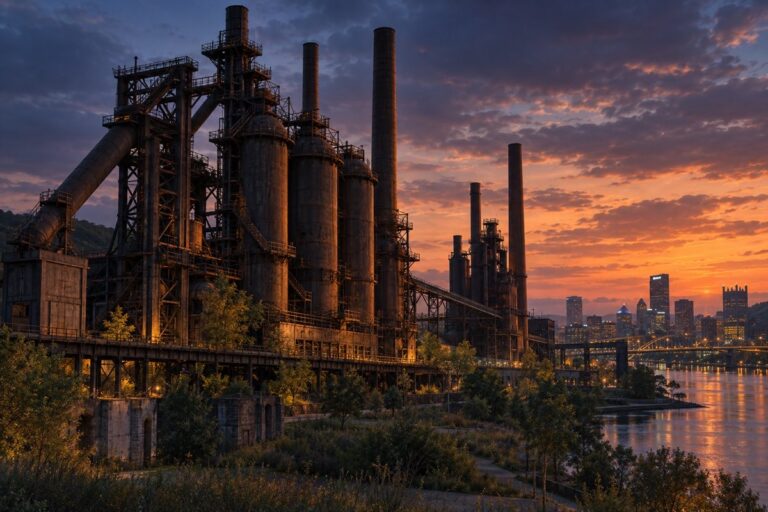
The surviving Carrie Furnaces were part of the Homestead Works and preserve rare physical evidence of the integrated iron and steel industry that shaped the region.
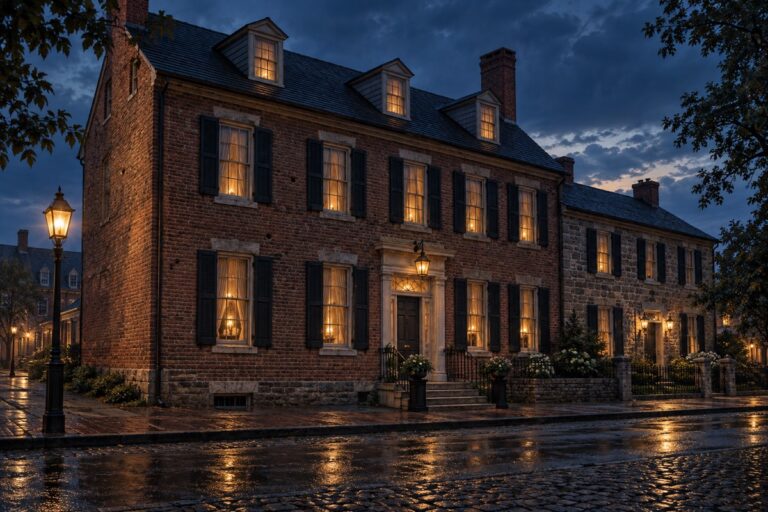
The Farnsworth House Inn stands on Baltimore Street in Gettysburg, Pennsylvania, a short distance from the battlefield that transformed the town in July 1863. Its brick walls, period rooms, and visible bullet scars make it one of Gettysburg’s most recognizable historic properties. The inn is also central to the town’s ghost-tour culture. To understand that reputation, it helps to separate the building’s documented past from the stories that later gathered around it.
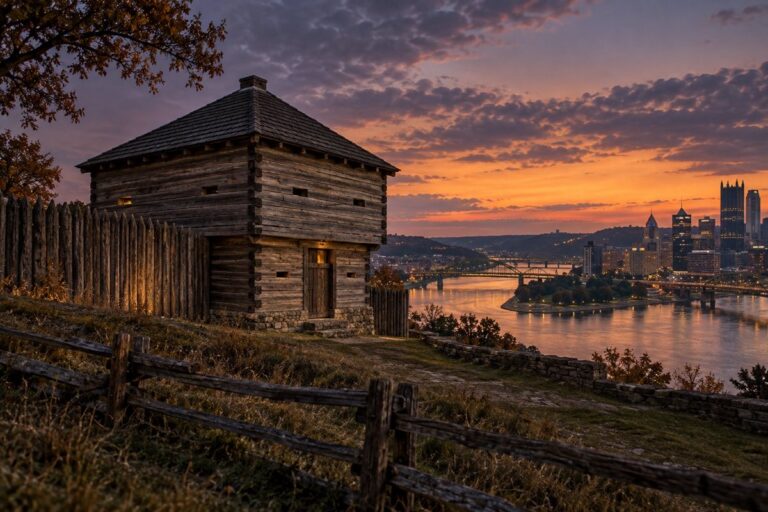
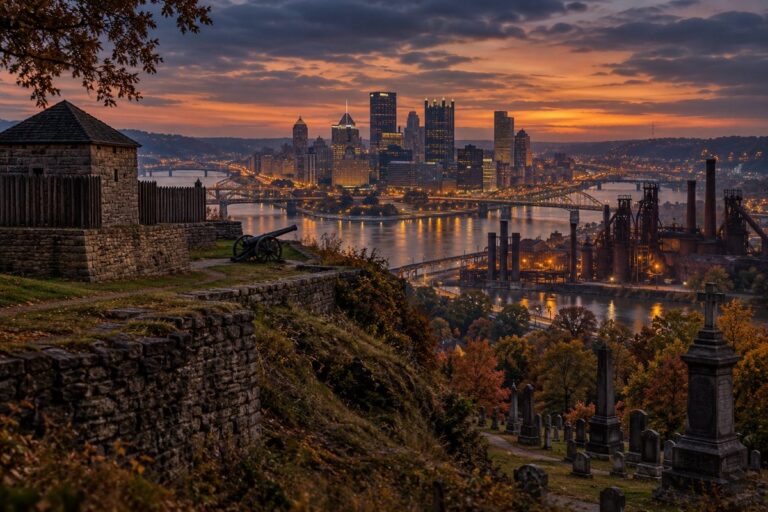
Constructed in 1764 as a defensive redoubt, the Block House is the only surviving structure of Fort Pitt and later served as a trading post, residence, and tenement before preservation.
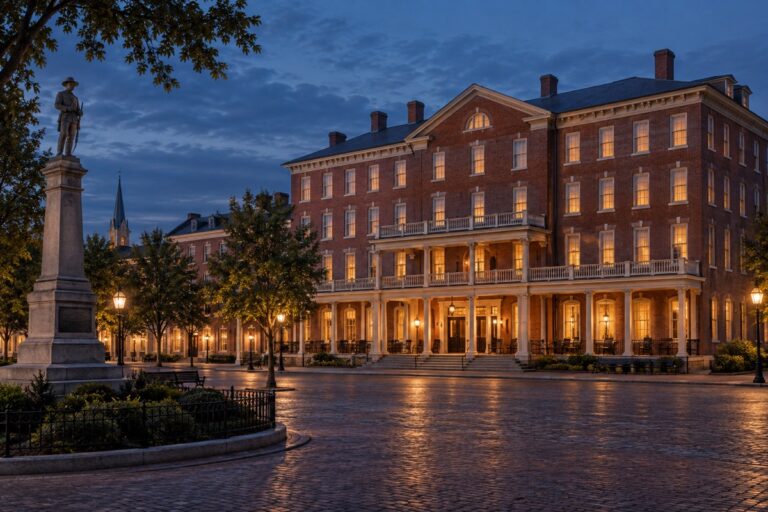
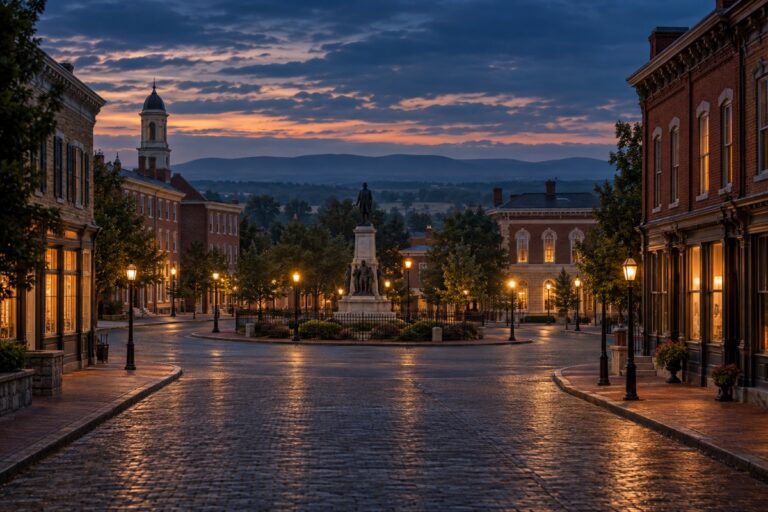
Gettysburg is a living borough, battlefield landscape, civilian history site, and national place of mourning whose ghost stories grew from documented wartime trauma.
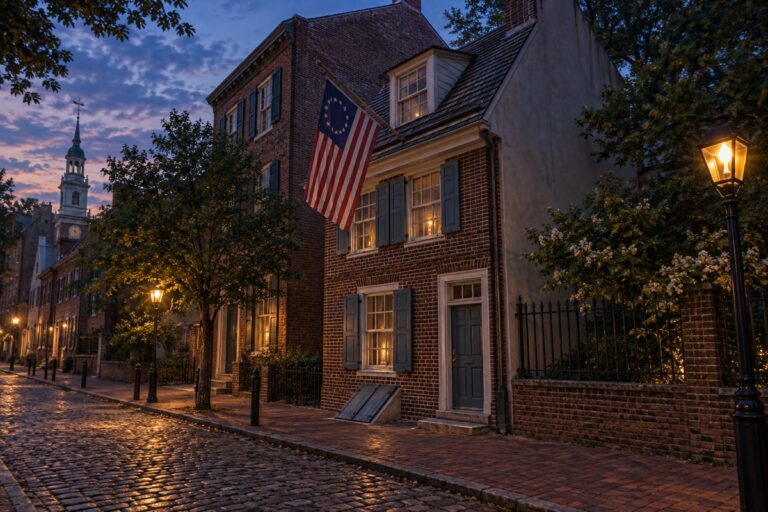
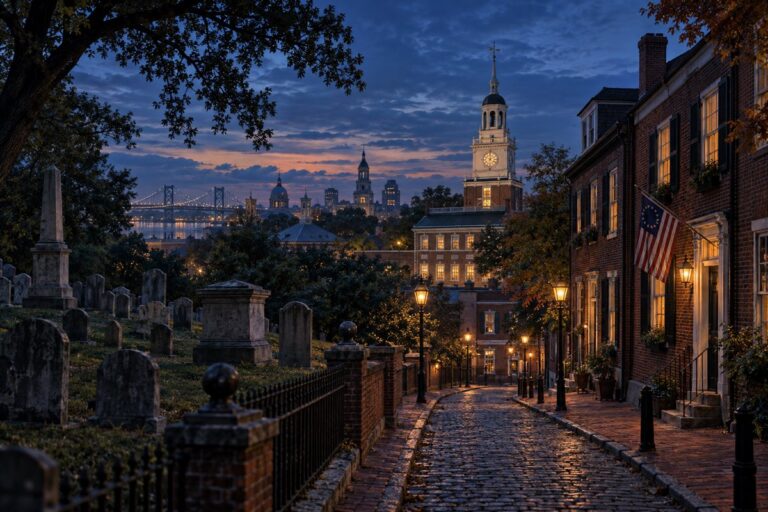
Philadelphia is a living Delaware Valley community whose documented history and preservation landscape explain why ghost traditions developed around selected streets, buildings, and burial grounds.
Pittsburgh grew at the meeting of the Allegheny, Monongahela, and Ohio rivers through Indigenous history, imperial warfare, migration, coal, iron and steel, transportation, labor, and reinvention.