Quick answer: Robert the Doll is a large handmade figure created around the beginning of the twentieth century and associated with Key West artist Robert Eugene Otto. The doll entered the Key West Art & Historical Society collection in 1994 and is displayed at Fort East Martello Museum. Stories that Robert moves, changes expression, or punishes disrespectful visitors belong to museum folklore and personal testimony, not verified paranormal evidence.
A doll and a Key West artist
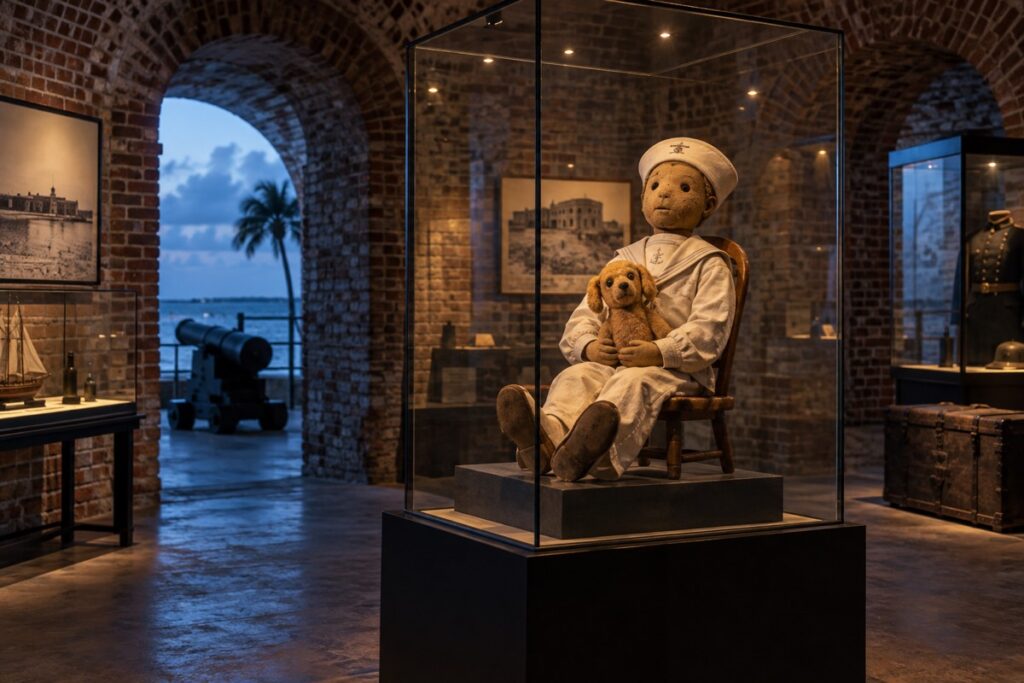
Robert stands about 40 inches tall and is stuffed with excelsior, a wood-wool material used in early toys and upholstery. He wears a sailor suit and once had painted features resembling a jester. His unusual size and form have led historians to believe that he may have been made in the image of the boy who owned him, Robert Eugene Otto.
Otto, known as Gene, grew up in Key West and kept the doll as a close companion. A family story says Gene blamed childhood misbehavior on Robert. Later versions introduced claims that a servant created the doll through Voodoo or placed a curse on it. The Key West Art & Historical Society identifies that explanation as legend, not established history.
Gene Otto became an artist and continued to keep Robert into adulthood. He designed a gallery at Fort East Martello and imagined turning his home into a museum. After Otto died in 1974, Myrtle Reuter purchased the house and kept the doll. She donated Robert to the museum in 1994, saying that he moved on his own and was haunted.
From household object to museum celebrity
Robert became one of Fort East Martello’s best-known collection objects. Visitors reported camera failures, changing expressions, and feelings of discomfort near the display. Letters began arriving from people who apologized for mocking or photographing him without permission. The museum continues to receive such correspondence.
The apology tradition is now part of Robert’s cultural identity. Some visitors ask before taking a photograph. Others send letters after an unrelated run of bad luck. These actions reveal how quickly belief can shape the meaning of an object. They do not prove that the doll caused an illness, accident, device failure, or missed flight.
Robert should also be understood as a museum artifact linked to a real Key West family and artist. Separating the surviving object from later claims makes the story more interesting. The doll is physically real, its chain of ownership is partly documented, and its supernatural reputation grew through testimony, tourism, television, and repetition.
Fort East Martello beyond Robert
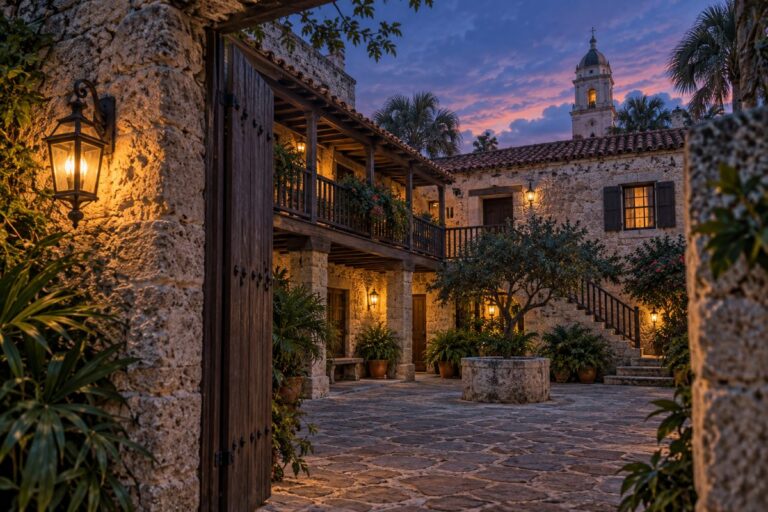
Fort East Martello was built as a Civil War fortification. It later served military purposes, including use as a training facility during the Second World War. The structure fell into disrepair before the Key West Art & Historical Society restored it and opened a local history museum in 1950.
The museum interprets Key West’s military history and the industries that shaped the island, including wrecking, sponging, and cigar manufacturing. It also preserves work by folk artists such as Stanley Papio and Mario Sanchez. Robert is the most famous exhibit, but he is not the only reason to visit.
Planning a visit
- Location: Fort East Martello Museum, 3501 South Roosevelt Boulevard, Key West, Florida 33040.
- Phone: 305-296-3913.
- Hours: The Robert the Doll visitor page currently lists daily hours of 10:00 a.m. to 5:00 p.m., with last admission at 4:30 p.m.
- Daytime access: Robert is included with museum admission.
- After-dark programs: A separately operated evening Robert the Doll experience may be available by advance ticket.
- Accessibility: Contact the museum about current access through the historic fort.
Hours, prices, special events, and weather closures can change. Key West storms may affect operations. Use the museum’s official channels before traveling.
Connect Robert to Florida’s haunted history
Fort East Martello shows how a single collection object can carry an entire legend. For another Florida site where a historic structure and modern paranormal programming meet, read the guide to the St. Augustine Lighthouse. The Whaley House guide examines civic history and later ghost reports without confusing one for the other.
Robert’s story rewards skepticism and curiosity at the same time. Visitors can examine the doll, learn about Gene Otto, consider how legends spread, and decide what the experience means to them.
Frequently asked questions
Where is Robert the Doll now?
Robert is on permanent display at Fort East Martello Museum in Key West under the care of the Key West Art & Historical Society.
How old is Robert the Doll?
The museum dates the handmade doll to around the beginning of the twentieth century.
Do visitors need to ask permission for a photograph?
Asking is part of the modern folklore, not a museum law. Follow posted photography rules and treat the collection respectfully.
Is Robert the Doll really cursed?
People attribute bad luck, camera problems, and unsettling experiences to Robert. Those claims are personal reports and legend, not verified evidence of a curse.
Can children visit Robert?
Robert is displayed in a public history museum. Families should decide whether the legend and the doll’s appearance are suitable for a particular child. Evening programs may have separate guidance.
Sources and editorial note
- Key West Art & Historical Society: Robert the Doll
- Key West Art & Historical Society: Fort East Martello history
- Robert the Doll: official visitor information
HauntsUSA separates collection history from reported paranormal claims. Visitor information was reviewed on September 26, 2026. Confirm museum hours before traveling.
Editorial image: AI-created historical interpretation for HauntsUSA. It is not documentary evidence of paranormal activity.