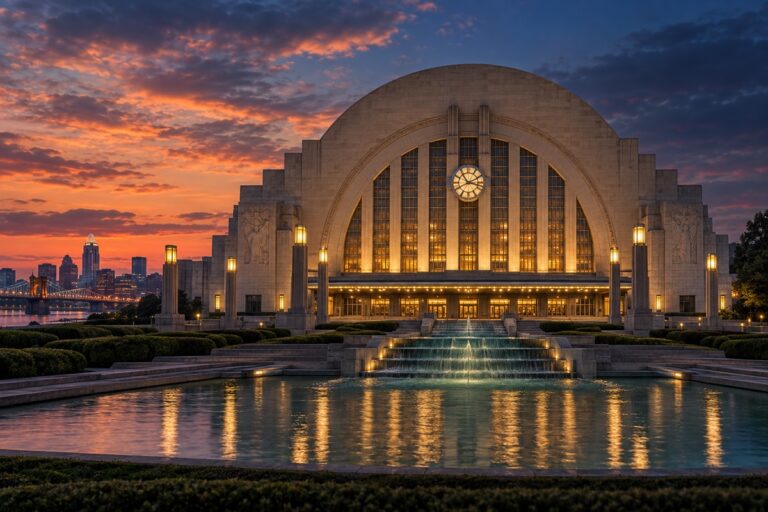
Opened in 1933, Union Terminal is an Art Deco transportation landmark known for its rotunda, mosaics, wartime traffic, decline, and adaptation as Cincinnati Museum Center.
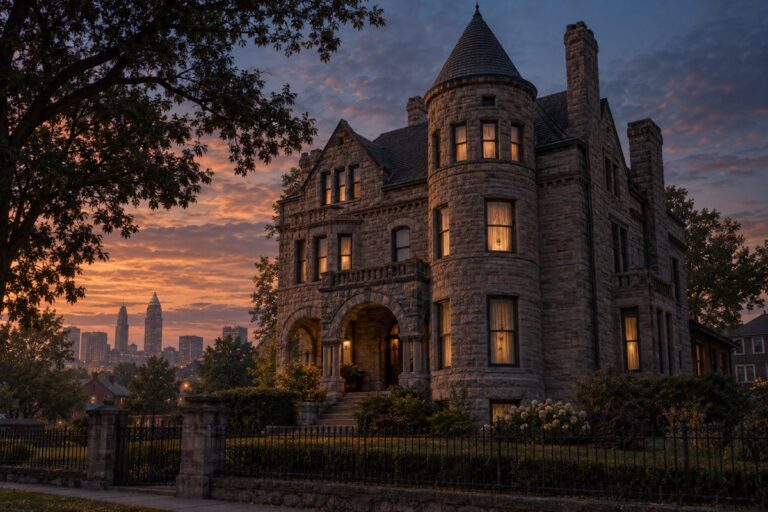
Hannes Tiedemann built the house from 1881 to 1883; it later served several institutional and cultural uses, and its identity as Franklin Castle grew through later ownership and publicity.
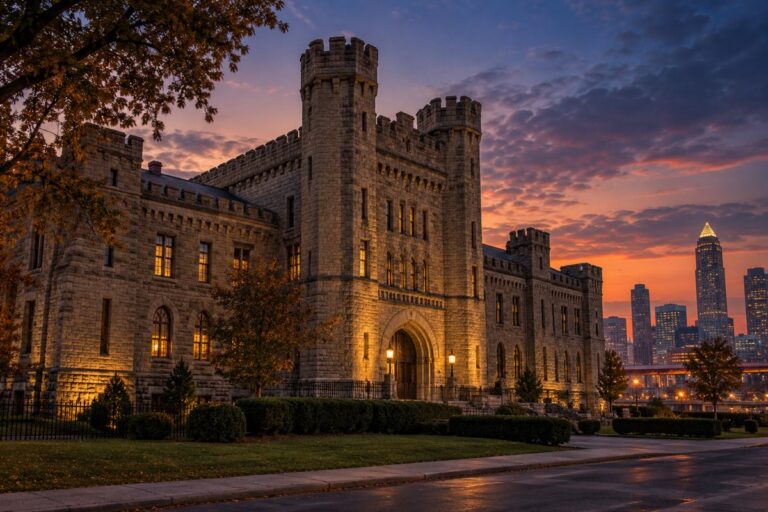
Dedicated in 1893, Grays Armory reflects the history of an independent militia company, civic ceremonies, military service, architecture, and Cleveland public life.
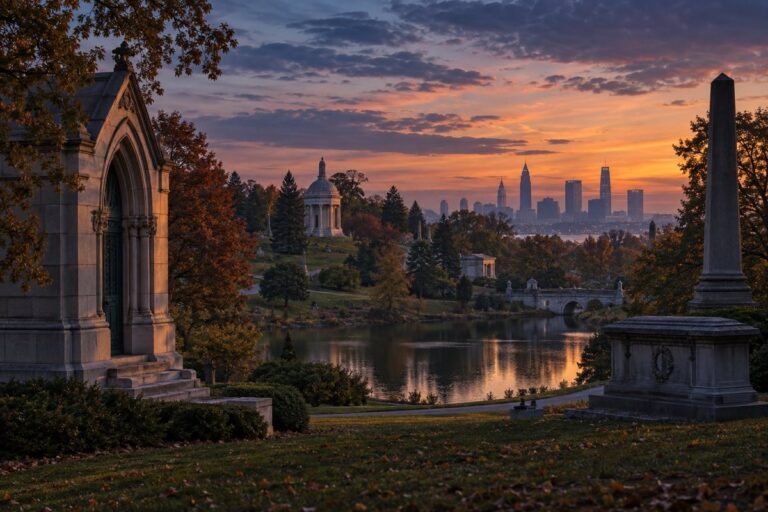
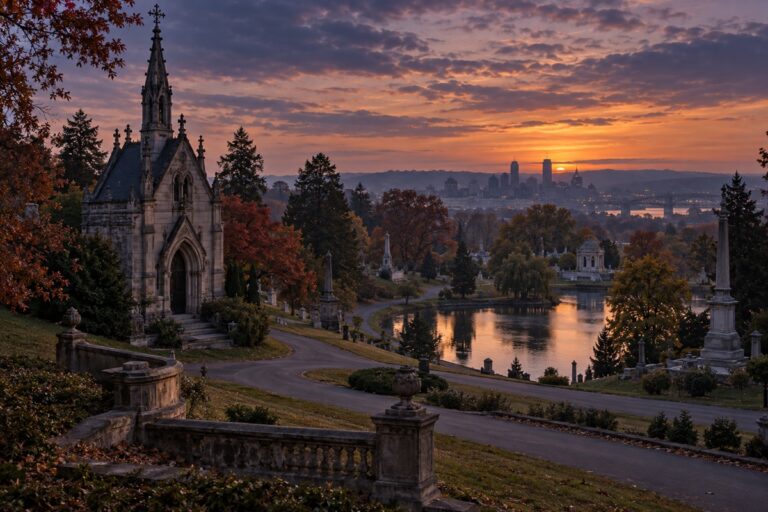
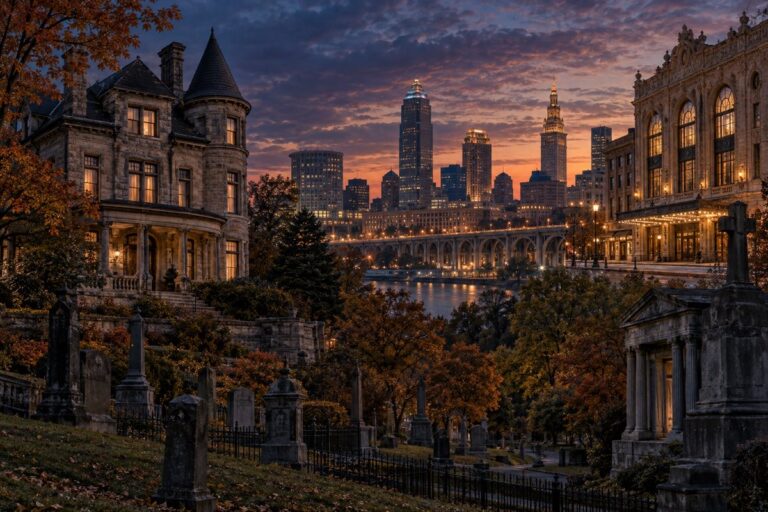
Founded in 1869, Lake View Cemetery developed as a landscaped burial ground and contains major memorials, architecture, horticulture, and records of Cleveland communities.
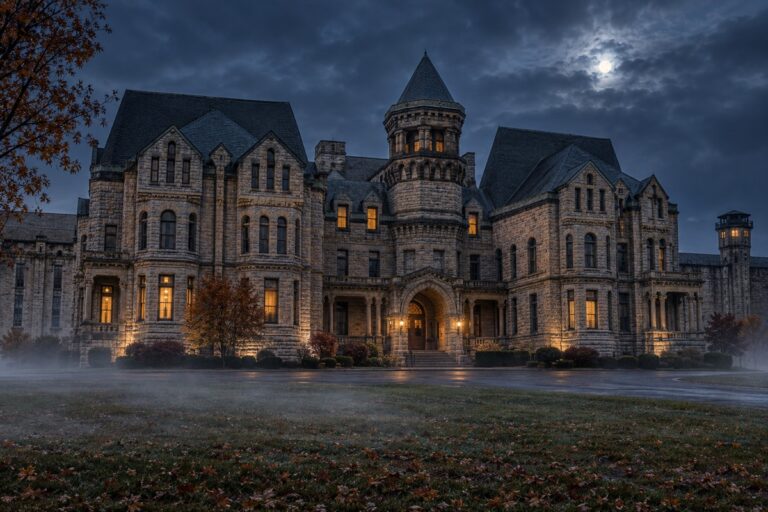
A preserved former Ohio prison known for monumental architecture, correctional history, reported paranormal experiences, and its role in The Shawshank Redemption.
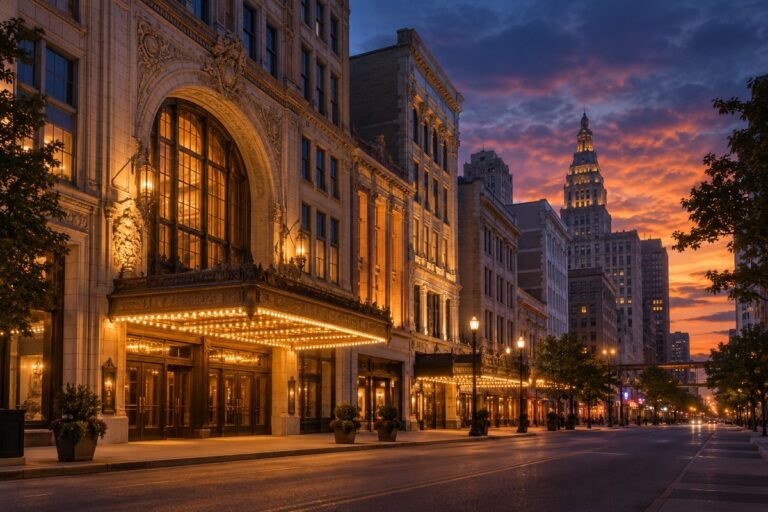
Five major theaters opened in Playhouse Square in 1921 and 1922; after decline and closure, a grassroots preservation campaign helped restore the district as a performing arts center.
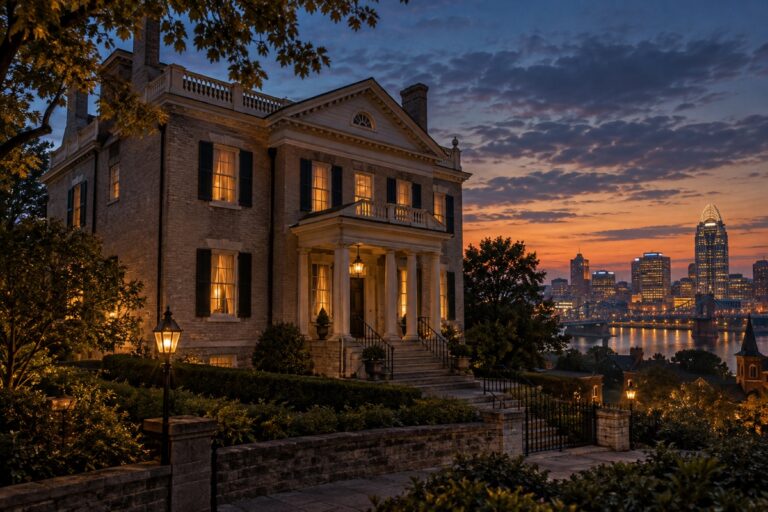
The early nineteenth-century house later associated with the Baum, Longworth, Sinton, and Taft families now holds an art collection and layered political history.
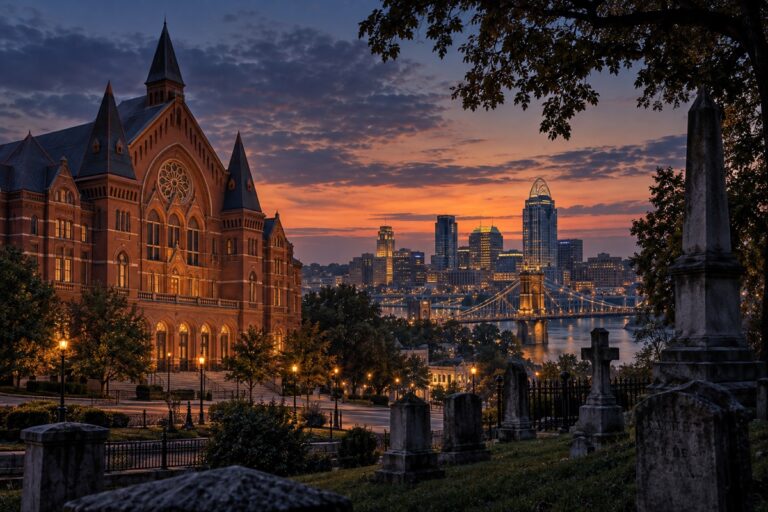
Cincinnati grew on the Ohio River through Indigenous dispossession, migration, river commerce, industry, reform movements, arts institutions, and neighborhood development.
Cleveland developed on Indigenous homelands near Lake Erie and the Cuyahoga River through canal and lake commerce, immigration, manufacturing, reform, arts institutions, suburbanization, and preservation.