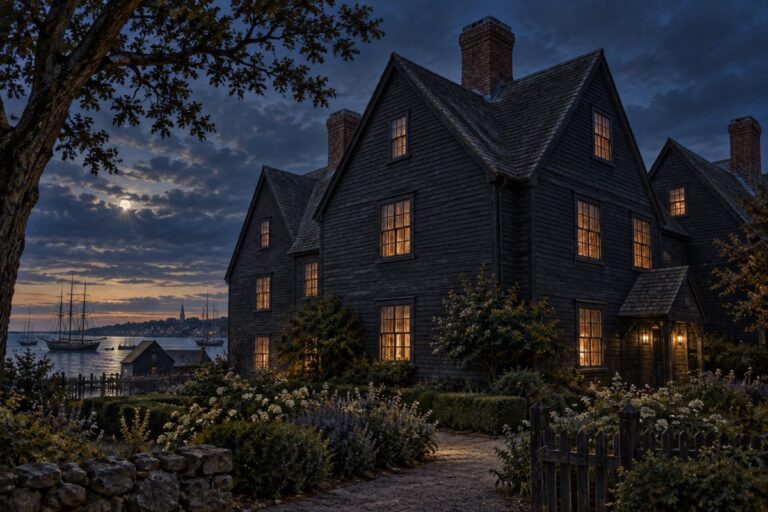
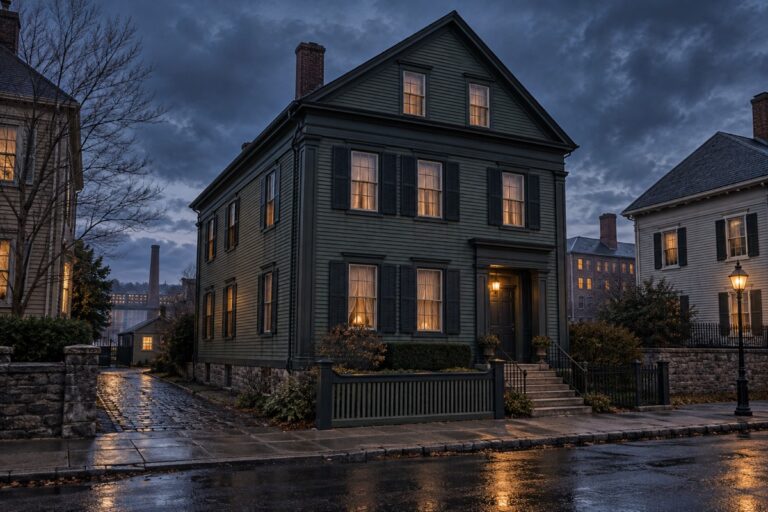
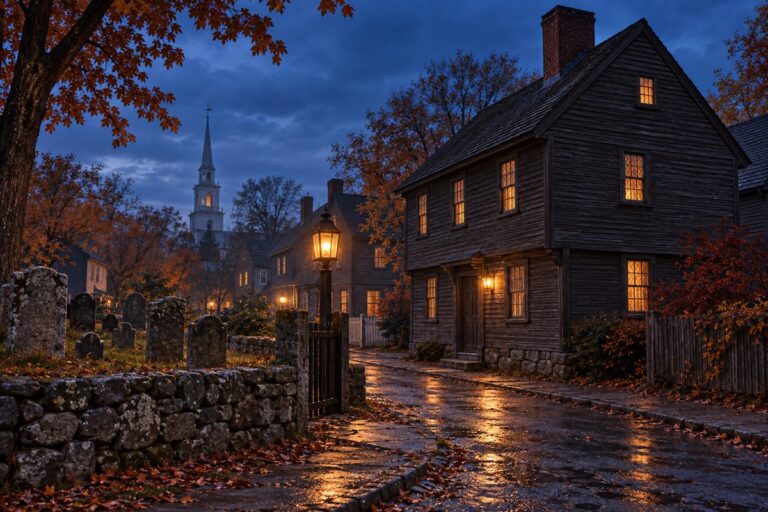
The House of the Seven Gables occupies a rare place in American history. It is a surviving seventeenth-century mansion, the inspiration for a famous Gothic novel, and the center of a museum campus tied to immigrant education and social reform. Its dark timber exterior suits Salem’s haunted image, but the property’s real story is richer than a simple ghost tale.
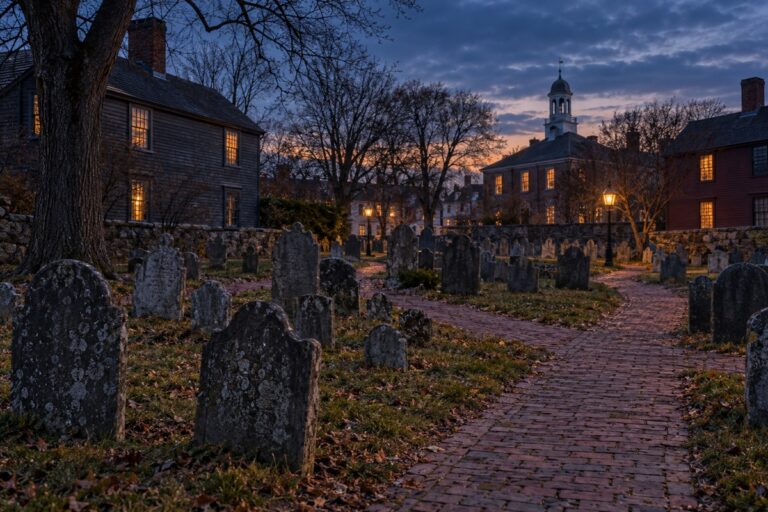
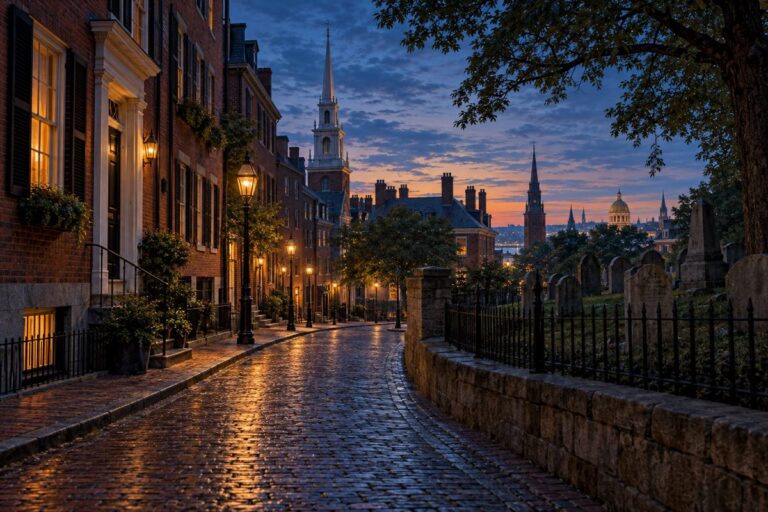
Howard Street Cemetery is strongly linked in folklore to Giles Corey, but neither his burial place nor the precise pressing site is securely established.
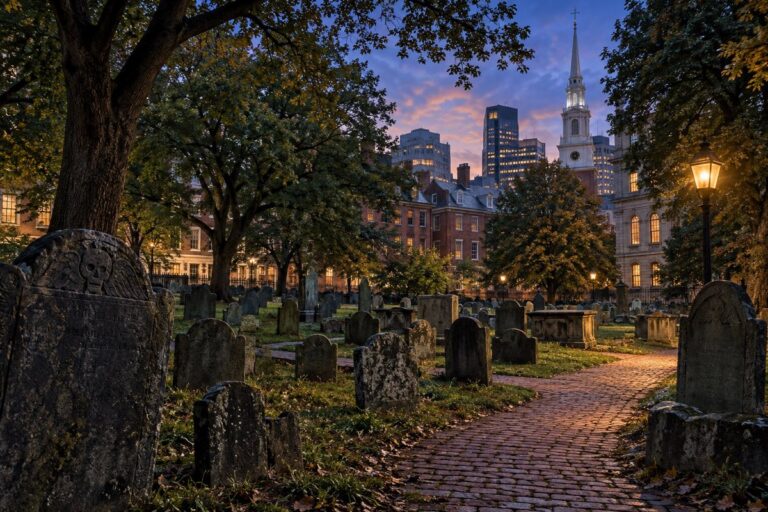
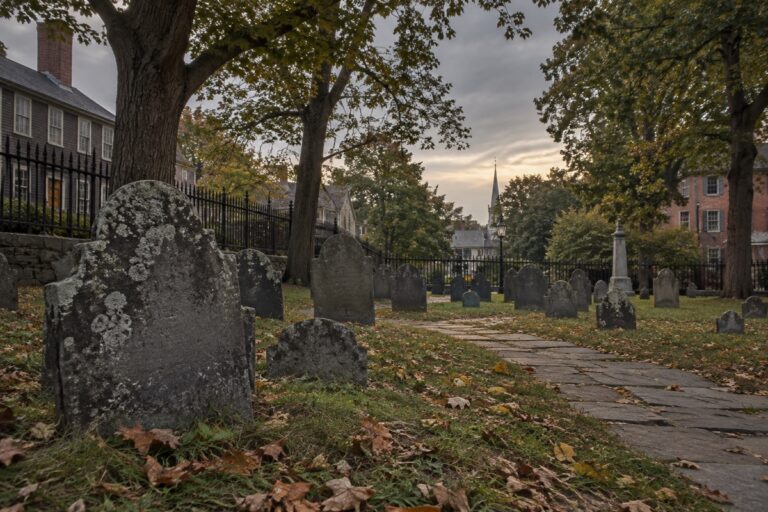
Salem's oldest European burial ground preserves early markers and funerary history, but it is not the burial place of the executed witch-trial victims.
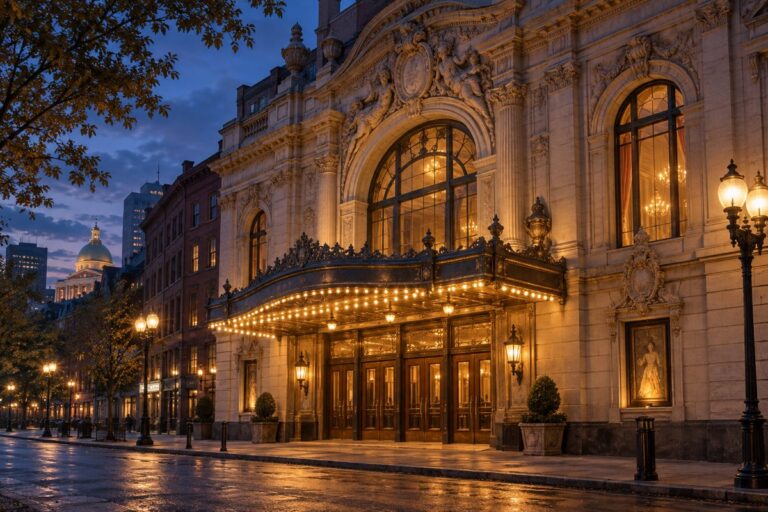
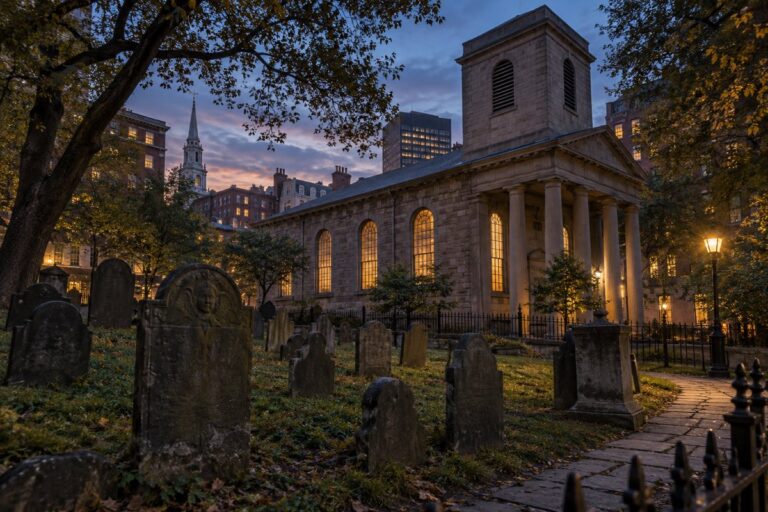
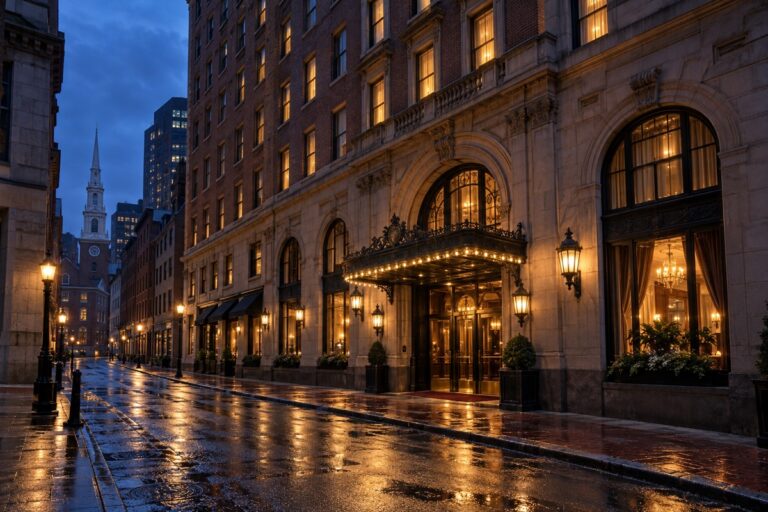
On Boston's School Street, the Omni Parker House occupies a place where hotel history, literary history, and ghost lore meet. The address stands close to King's Chapel, Boston Common, and the old streets of downtown. Inside, generations of politicians, writers, performers, travelers, and hotel workers have contributed to a reputation that is both distinguished and faintly uncanny.
Boston is a living Greater Boston community whose documented history and preservation landscape explain why ghost traditions developed around selected streets, buildings, and burial grounds.
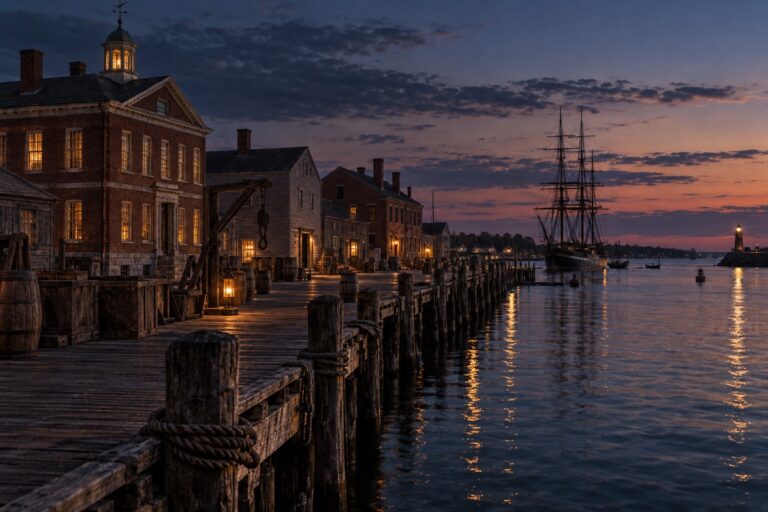
Derby Wharf, the Custom House, merchant homes, warehouses, and archaeological sites reveal Salem's global maritime history beneath later waterfront ghost lore.
Salem preserves a small but important group of places connected to the witch trials of 1692, including the Jonathan Corwin House, the former courthouse site, Proctor's Ledge, and later memorials.