Quick answer: Built in 1765, the Powel House interprets elite Georgian domestic life, politics, preservation, and the labor that sustained the household. After-dark stories belong to modern interpretation, while the building’s documented social history deserves priority. HauntsUSA treats the documented record, later folklore, and present-day access as separate questions.
What is documented about Powel House?
Built in 1765, the Powel House interprets elite Georgian domestic life, politics, preservation, and the labor that sustained the household. After-dark stories belong to modern interpretation, while the building’s documented social history deserves priority. The surviving place or landscape should be read as the result of change over time, not as a sealed scene from one dramatic date. Architecture, archaeology, maps, public records, collections, and preservation work provide stronger evidence than a repeated tour anecdote. The sources listed below establish a reliable starting point, while additional archival research may refine dates, ownership, construction phases, and the experiences of people who were historically under-recorded.Place, community, and historical context
Philadelphia sits within Delaware Valley in Philadelphia County. Its streets and institutions developed through Indigenous history, colonization, migration, labor, commerce, conflict, faith, recreation, and preservation. A responsible account does not begin only when a famous building opened, and it does not use a later ghost story to erase people who lived or worked here. This page belongs with the broader Philadelphia history guide, which explains the surrounding geography and local memory culture. Public interpretation changes as new scholarship, archaeology, descendant knowledge, and preservation priorities emerge. Reading a historic place well means asking what survives, what has been reconstructed, whose testimony entered the archive, and which later choices shaped the site visitors encounter today. Dates and famous names provide only a framework. Materials, land use, municipal decisions, family networks, commerce, and community advocacy often explain why a place endured and why its meaning continues to change.How the ghost stories developed
After-dark stories belong to modern interpretation, while the building’s documented social history deserves priority. Common motifs such as footsteps, cold spots, lights, figures, voices, or a named resident appear across American ghost traditions. Similarity does not verify a cause. Buildings settle, mechanical systems cycle, sound travels, and memory shapes perception. Personal experiences can be reported respectfully without converting them into historical fact. HauntsUSA uses claim labels deliberately. Documented describes information supported by records or institutional research. Reported identifies attributed experiences. Legend marks a story whose history is uncertain. Venue marketing identifies a claim used in programming or promotion. None of the final three labels means that paranormal activity has been proven.Whose history needs careful treatment?
Historic tourism can flatten painful subjects into atmosphere. Indigenous people, enslaved people, immigrants, prisoners, patients, workers, soldiers, students, and deceased community members were not props in a supernatural story. Their lives should be described through records, names, choices, labor, and community context whenever sources allow. That standard also applies to uncertain stories. A dramatic tale should not be assigned to a real person merely because the dates appear convenient. If a source cannot establish an identity, event, or quotation, the responsible choice is to state the uncertainty.Planning a responsible visit
Use the official operator’s current visitor information; public access may be limited by tours, services, events, preservation work, or seasonal conditions. Hours, tours, accessibility, photography policies, and admission can change. Check the official site before traveling, follow staff instructions, and treat active religious spaces, campuses, hotels, residences, parks, and cemeteries according to their present-day purpose.- Visit only during posted public hours and use authorized entrances.
- Do not trespass, conduct unauthorized investigations, or disturb ceremonies and guests.
- Read interpretive material before repeating a dramatic claim.
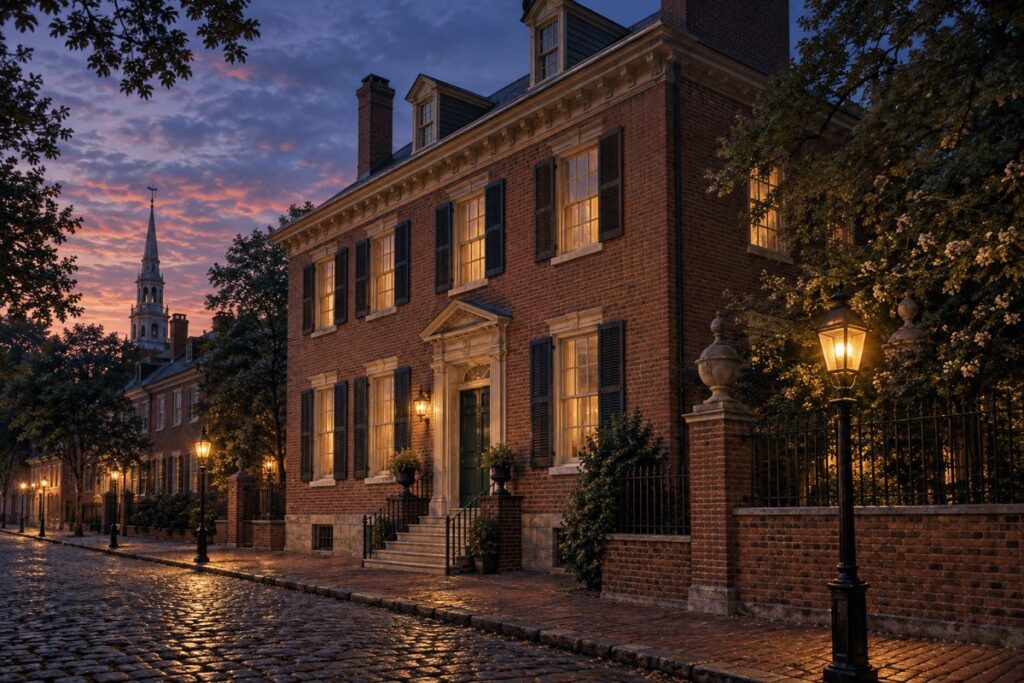
- Keep generated editorial artwork separate from documentary photographs.
- Report corrections or stronger sources through the site’s editorial correction form.