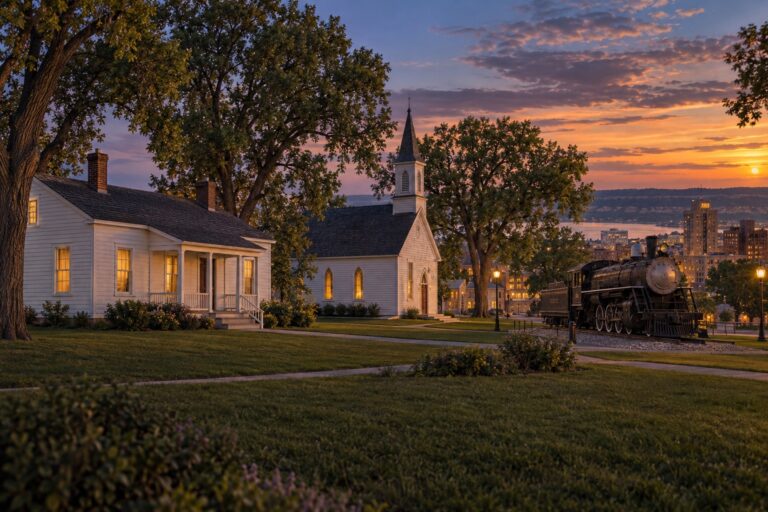
Established in 1872 as a military installation connected to Northern Pacific construction, Camp Hancock later served weather-observation and community functions. The site preserves an early officers' building, a historic church, a locomotive, and local exhibits.
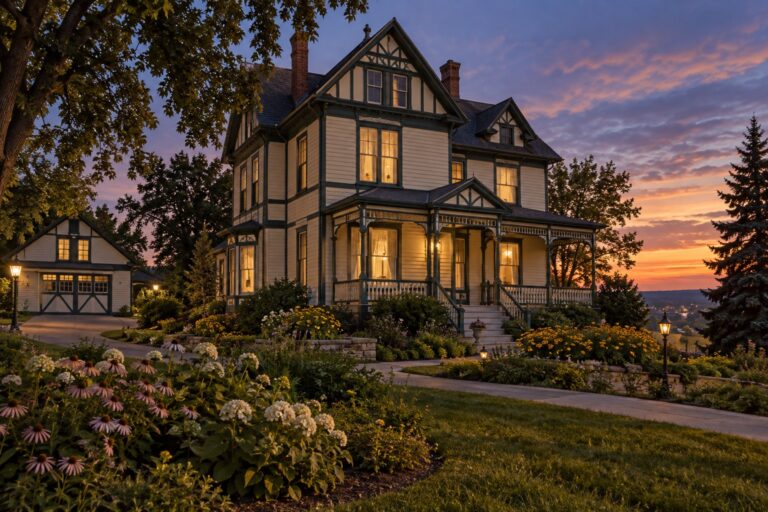
Built in 1884 as a private residence, the Victorian house served as North Dakota's executive mansion from 1893 to 1960 and later as a pioneering outpatient mental-health clinic before preservation as a state historic site.
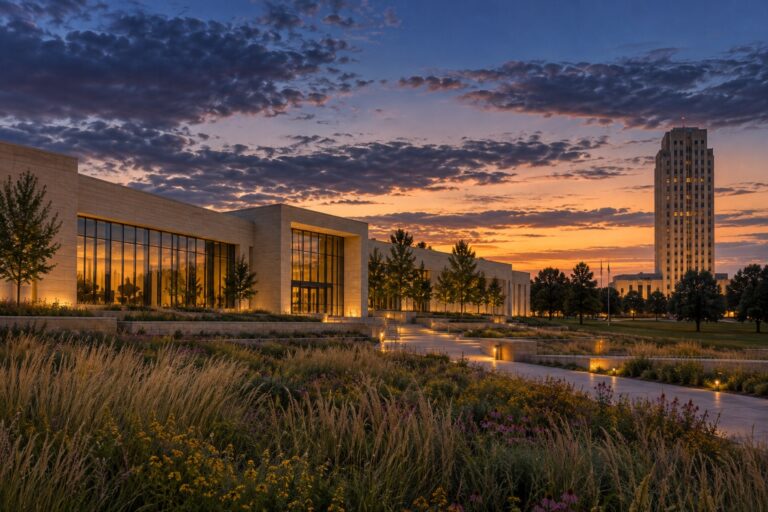
The state museum and archives preserve archaeology, fossils, tribal histories, settlement records, objects, and exhibitions spanning North Dakota's deep past to the present. Its collections support research far beyond famous frontier personalities.
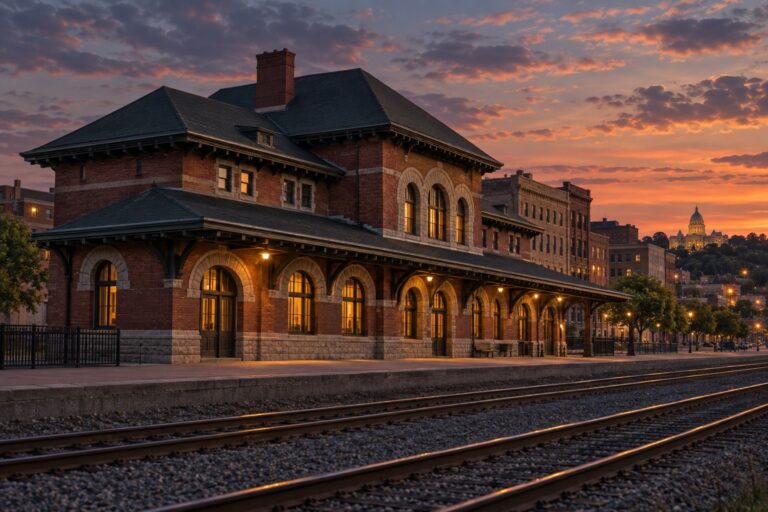
The Northern Pacific depot area became central to Bismarck's transformation from a railroad camp into a territorial and state capital. The surviving downtown building and rail corridor connect transportation, commerce, migration, labor, and the city's relationship with the Missouri River crossing.