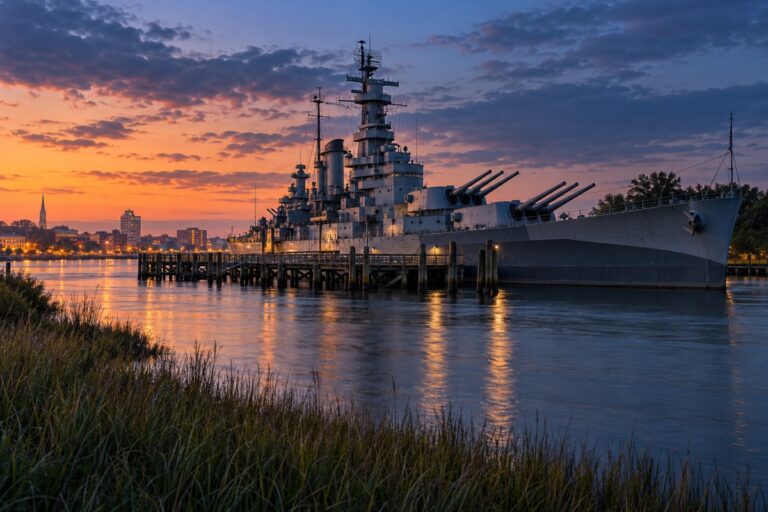
Commissioned during World War II, USS North Carolina served in the Pacific and later became a state memorial interpreting naval service, technology, labor, combat, and remembrance.
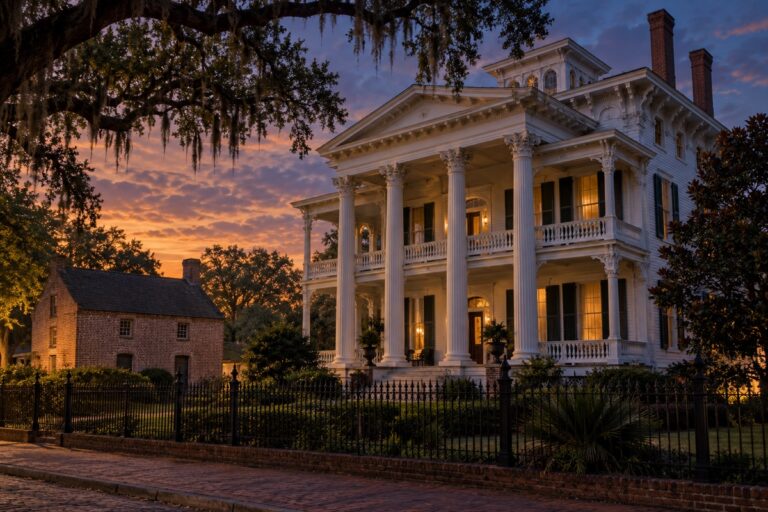
Built on the eve of the Civil War for physician and planter John D. Bellamy, the mansion and surviving urban slave quarters document architecture, enslaved labor, family history, occupation, and preservation.
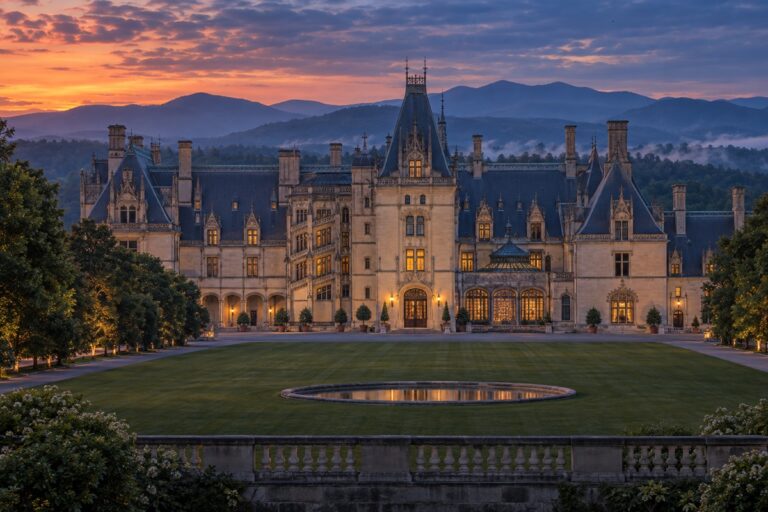
George Vanderbilt, architect Richard Morris Hunt, landscape architect Frederick Law Olmsted, craftspeople, laborers, and estate staff created Biltmore House and its working landscape between 1888 and the house's opening in 1895.
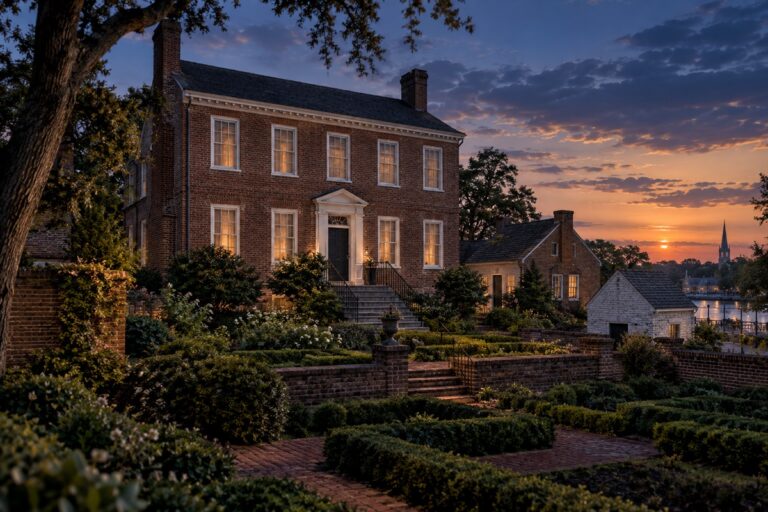
Built in 1770 over the remains of Wilmington’s earlier jail, the Burgwin-Wright House reflects colonial commerce, slavery, Loyalism, Revolution, household change, gardens, and preservation.
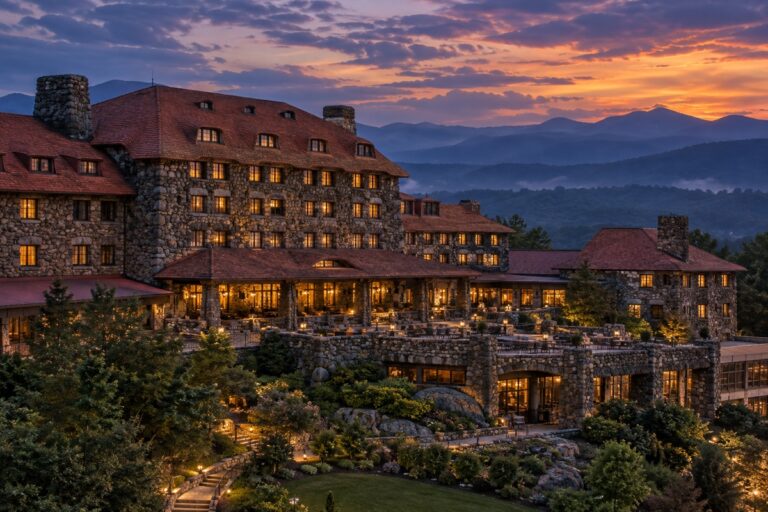
Opened in 1913, the Grove Park Inn was conceived by Edwin Wiley Grove and Fred Loring Seely as a monumental Arts and Crafts resort built from native granite by hundreds of workers.
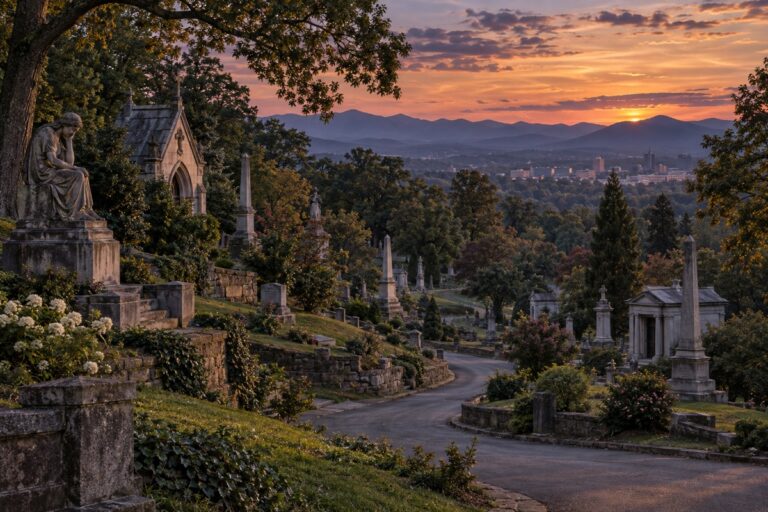
Founded in 1885 and operated by the City of Asheville since 1952, Riverside Cemetery is an active garden cemetery whose terraces, monuments, trees, and records reflect more than a century of regional history.
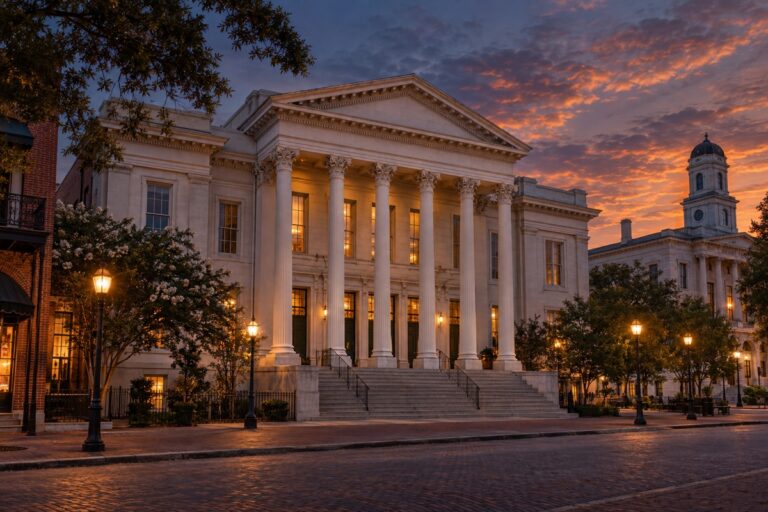
Opened in 1858 as a combined city hall and theater, Thalian Hall has survived war, changing entertainment, segregation, renovation, and continuous civic use.
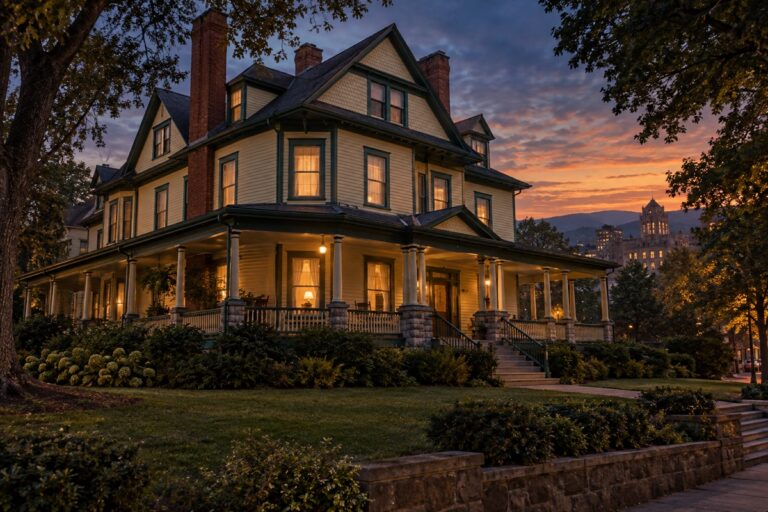
The rambling late-nineteenth-century boardinghouse known as Old Kentucky Home was purchased by Julia Wolfe in 1906 and became the childhood setting transformed by Thomas Wolfe into the fictional Dixieland of Look Homeward, Angel.
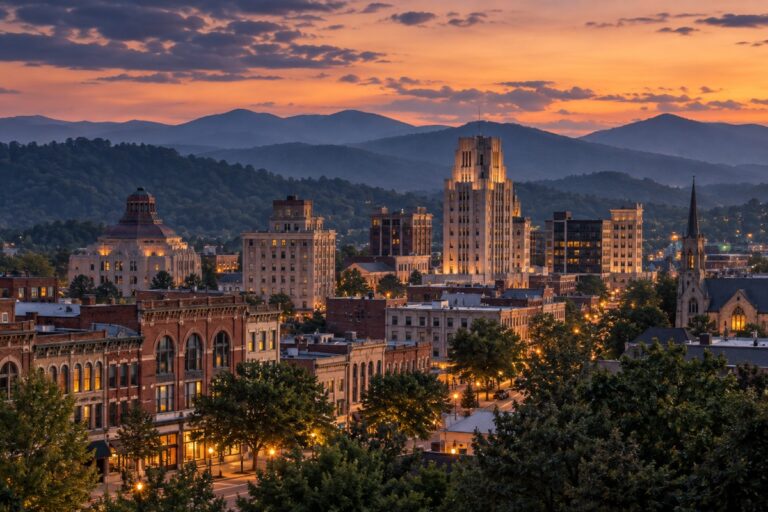
Asheville developed within Cherokee homelands and the French Broad River corridor through forced Indigenous dispossession, mountain trade, slavery, railroads, health tourism, Black community life, resort building, arts, and preservation.