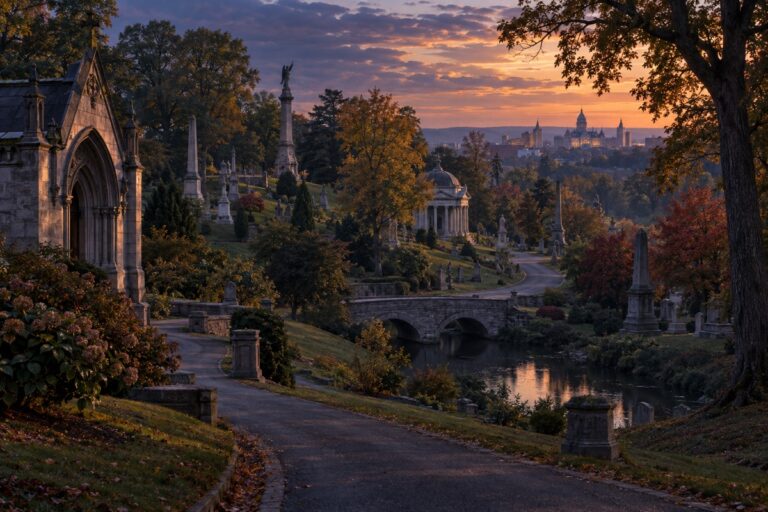
Established in 1841 and opened in 1844, Albany Rural Cemetery preserves a designed landscape of winding roads, ravines, monuments, mausoleums, and burial records connected to the Capital Region's diverse communities.
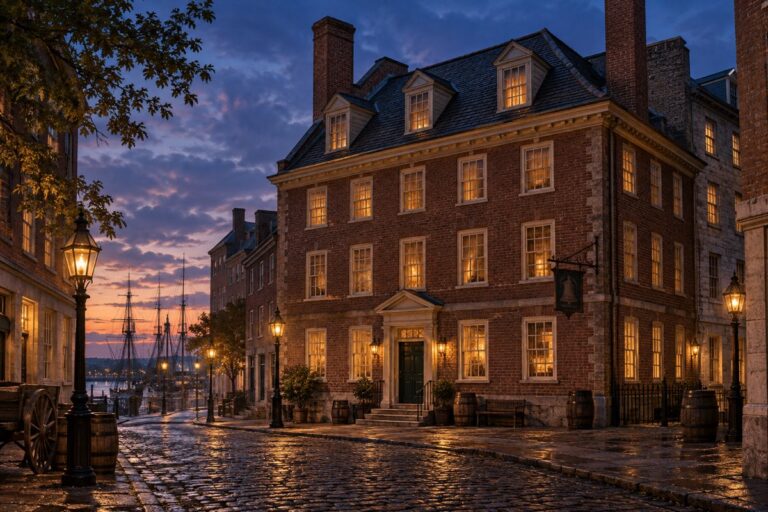
Fraunces Tavern is closely associated with Samuel Fraunces, Revolutionary New York, Washington’s farewell to officers, preservation, and later reconstruction.
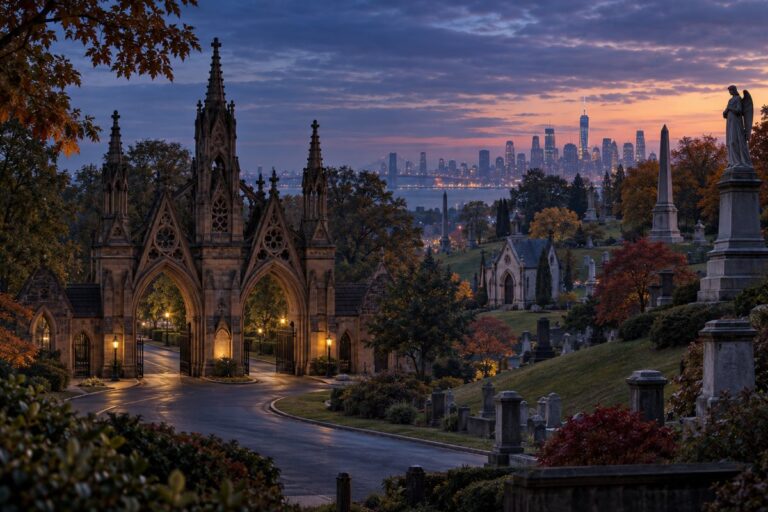
Founded in 1838, Green-Wood became a major rural cemetery and landscape destination with architecture, sculpture, archives, and extraordinary biodiversity.
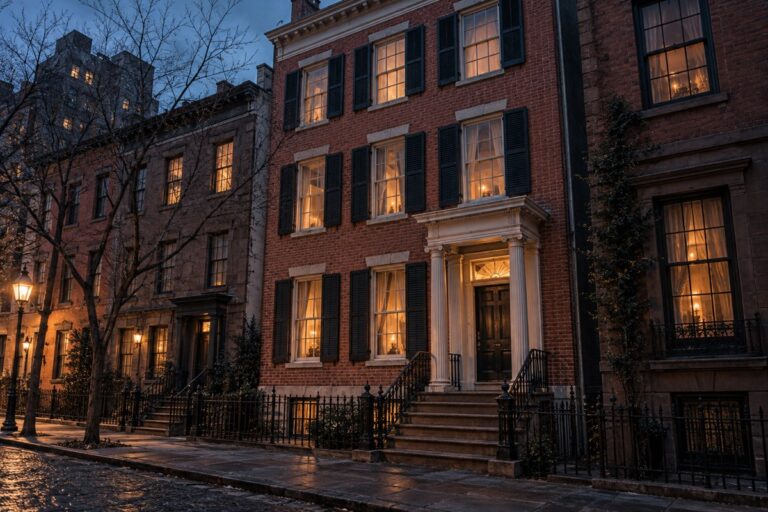
An unusually intact 1832 Manhattan family home preserving original Tredwell furnishings, domestic history, and decades of reported unexplained experiences.
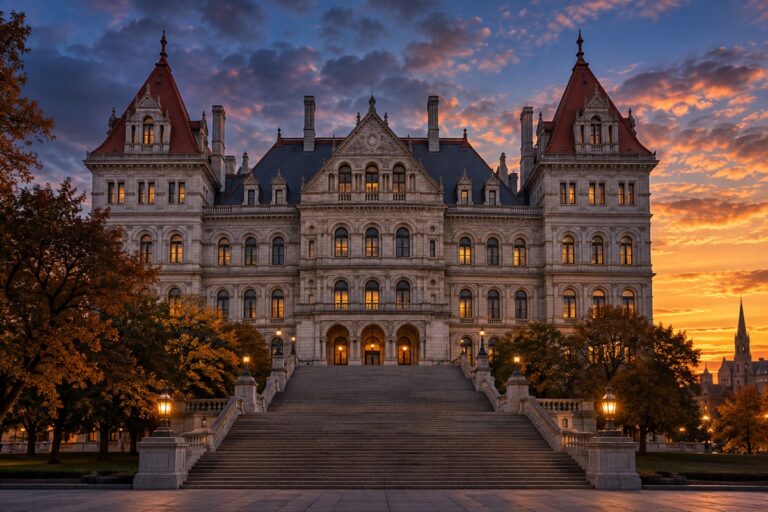
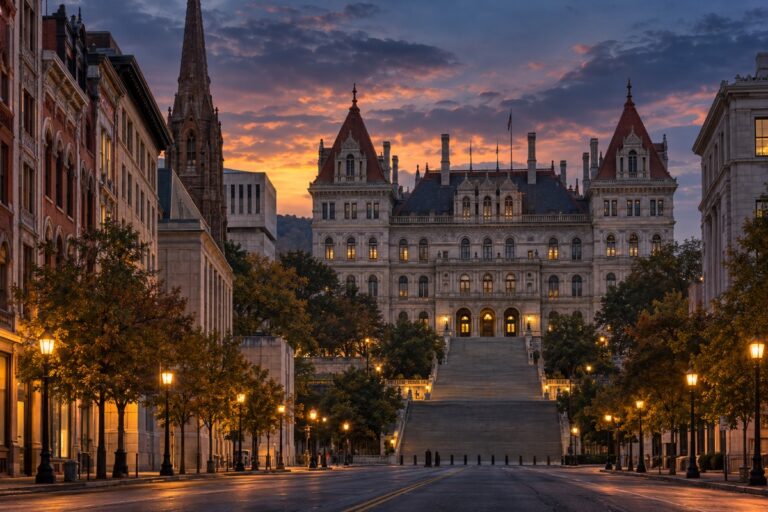
Built over several decades and occupied by lawmakers from 1879, the monumental Capitol combines work by multiple architects with stone carving, grand staircases, political history, restoration, and the memory of the destructive 1911 fire.
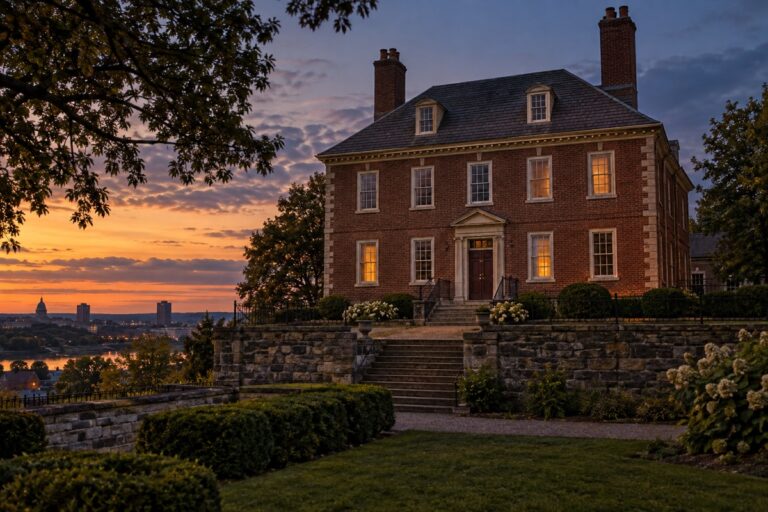
Constructed from 1761 to 1765, Schuyler Mansion was the Albany home of Philip and Catharine Schuyler, their family, guests, paid workers, and more than fifty enslaved people over the family's occupancy.
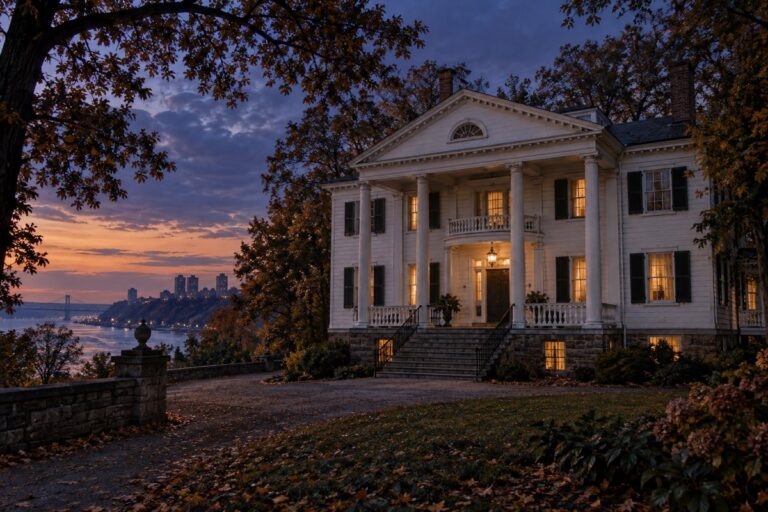
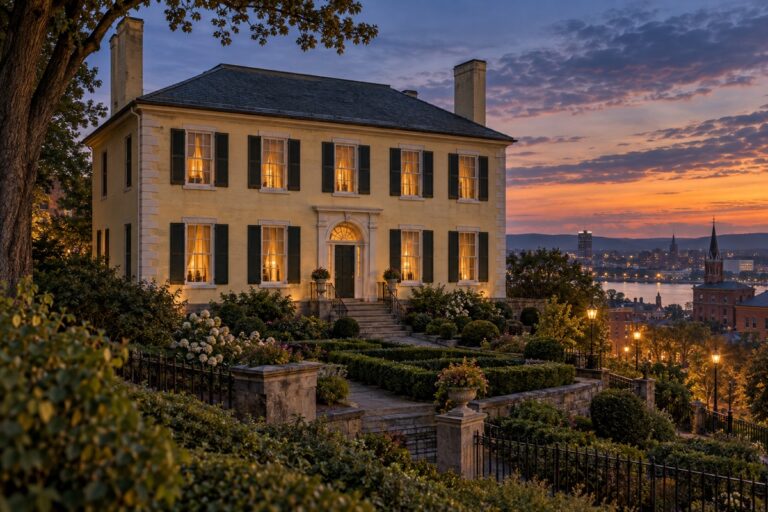
Built in 1797-1798 for Abraham and Elizabeth Van Rensselaer Ten Broeck, the mansion reflects elite Federal-era life, later Greek Revival alterations, enslaved labor, changing households, gardens, and preservation by the Albany County Historical Association.
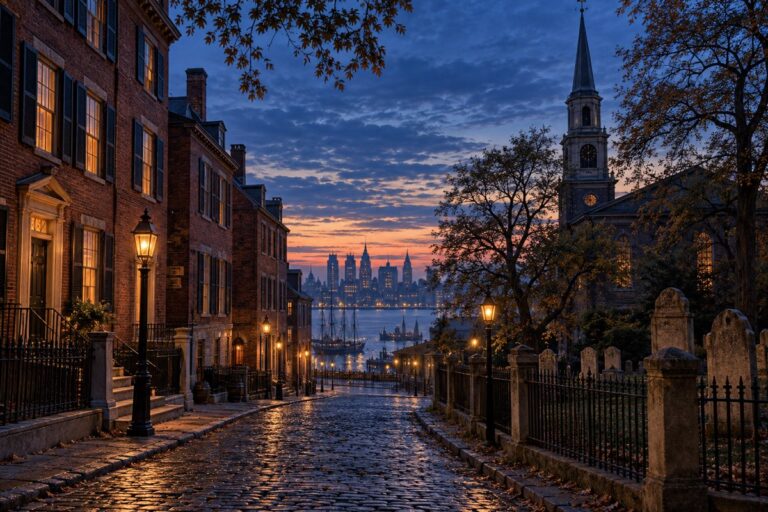
Albany grew on Mohican homelands beside the Hudson River through Dutch and English colonization, enslavement, trade, the Erie Canal, immigration, industry, and its long role as New York's capital.
New York is a living New York City community whose documented history and preservation landscape explain why ghost traditions developed around selected streets, buildings, and burial grounds.