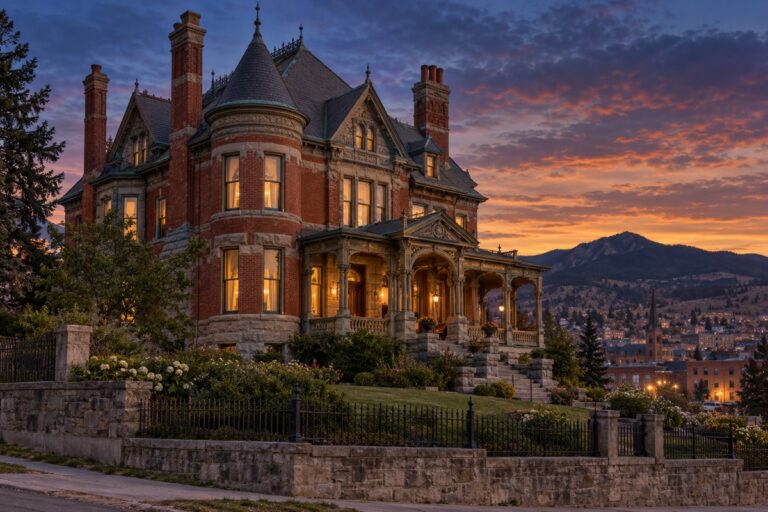
Built in the 1880s for copper magnate William A. Clark, the richly appointed mansion reflects mining wealth, Gilded Age taste, household labor, and the political influence of Butte's so-called Copper Kings.
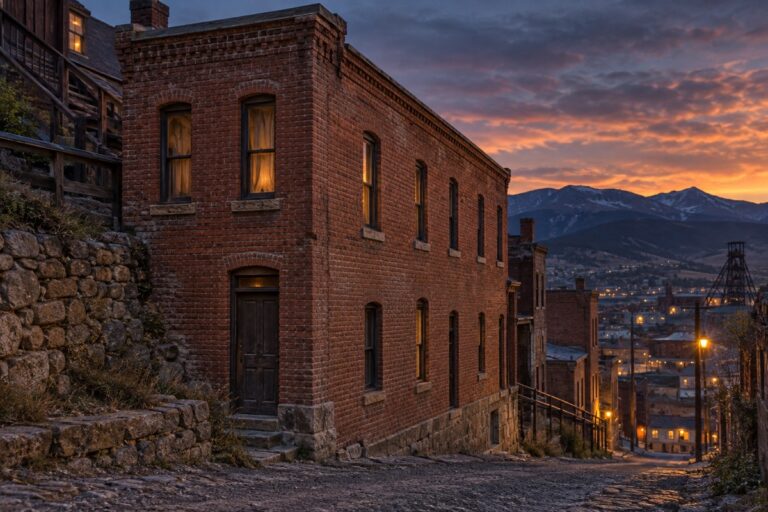
Built in 1890 and operated as a brothel until 1982, the Dumas preserves small rooms, circulation patterns, and physical evidence of Butte's former red-light district and the women who worked within it.
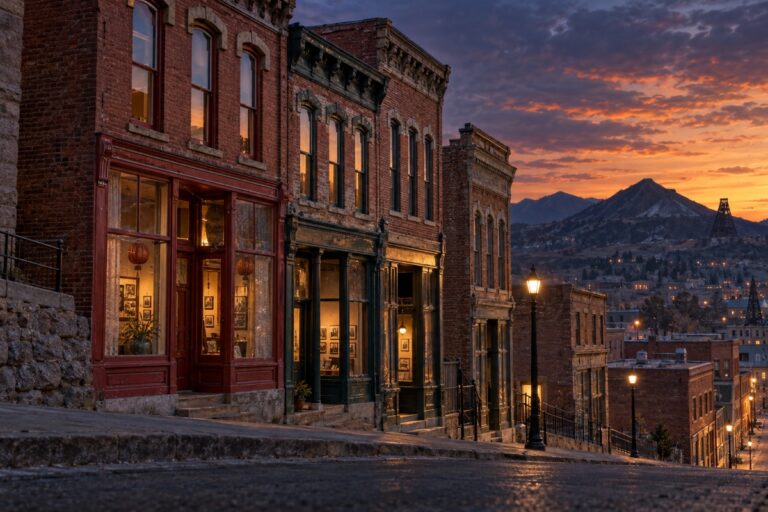
The Wah Chong Tai and Mai Wah buildings preserve rare physical evidence of Butte's Chinese community, including commerce, residence, medicine, migration, exclusion, and changing neighborhood life.
Founded in 1963 on the Orphan Girl Mine site, the museum preserves a headframe, underground tour, machinery, reconstructed streetscape, archives, and objects documenting industrial mining and community life.