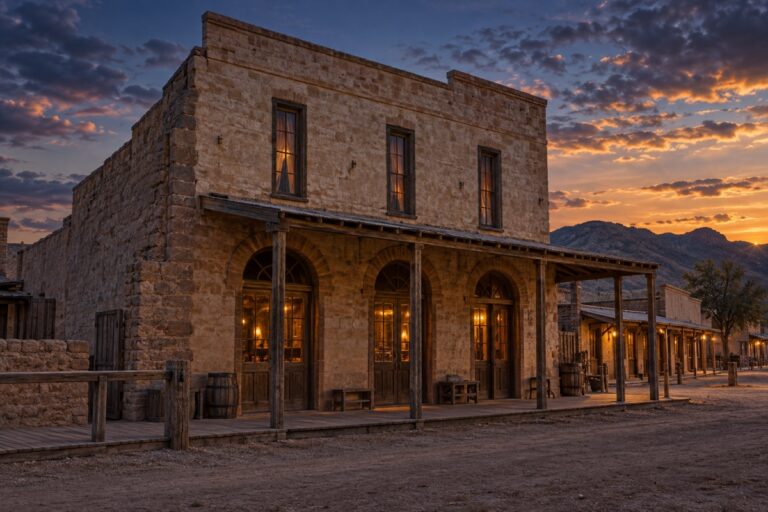
Opened in December 1881, the Bird Cage combined theater, saloon, gambling, and sex work during Tombstone's mining boom. Its surviving stage, balcony boxes, furnishings, and altered fabric are interpreted today as a commercial museum.
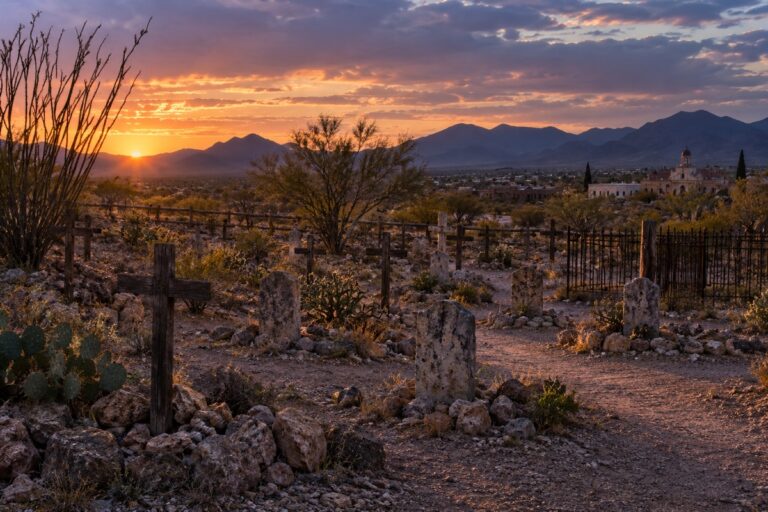
The burial ground used during Tombstone's early boom contains marked and re-created graves associated with violence, disease, accident, and ordinary community life. Its name, markers, and interpretation have also been reshaped by later tourism.
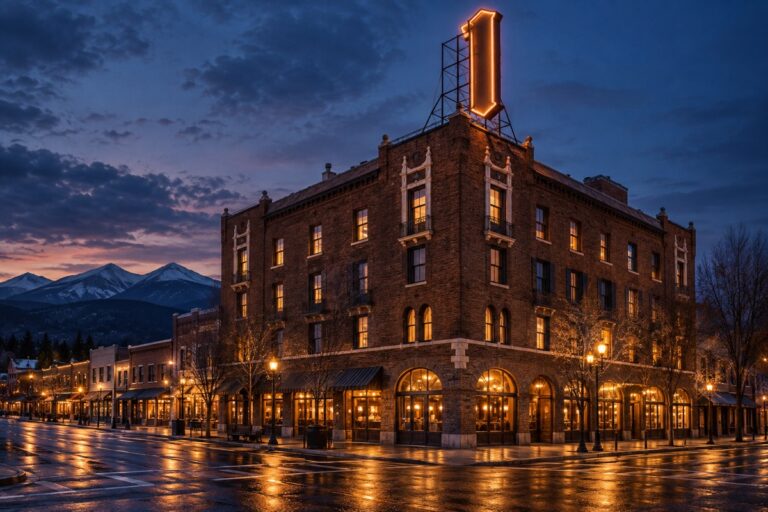
Hotel Monte Vista opened in downtown Flagstaff on January 1, 1927, after local residents funded a modern community hotel for a growing tourism economy. Its connection to Route 66, early radio, Western filmmaking, and a long list of venue ghost stories has made it one of northern Arizona’s best-known historic hotels.
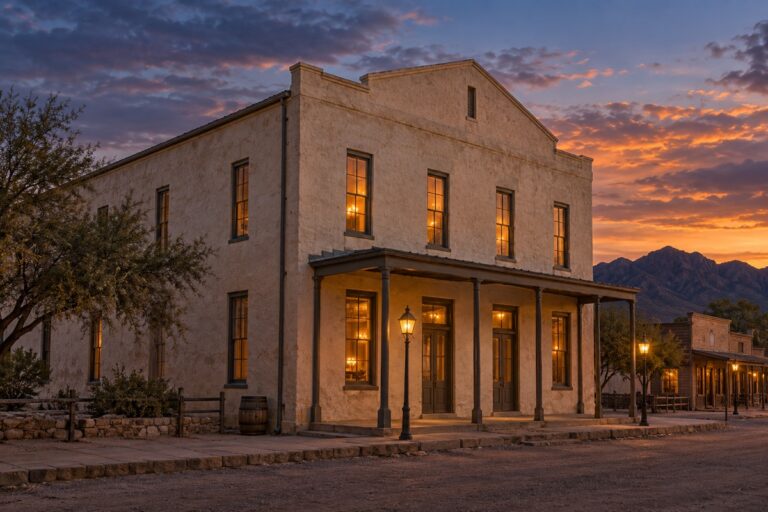
Built in 1881 by Albert Schieffelin and William Harwood, Schieffelin Hall served as an opera house, theater, meeting place, and later city facility. Its adobe construction and continued civic use make it a major surviving element of territorial Tombstone.
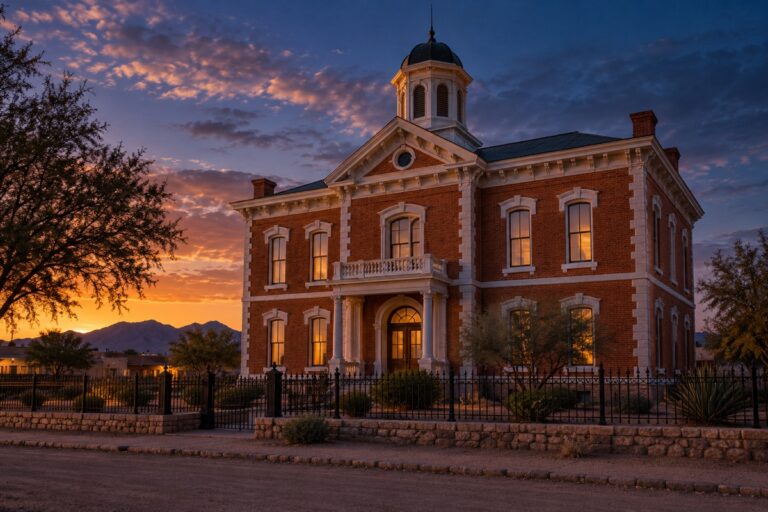
Built in 1882, the two-story courthouse housed Cochise County offices, courtrooms, and a jail during a period when territorial government sought to regulate a volatile mining district. It now operates as an Arizona state historic park.