Quick answer: Omni Parker House is a historic hotel at 60 School Street on Boston’s Freedom Trail. Harvey D. Parker opened the original hotel in 1855. The property is linked to the Saturday Club, Charles Dickens, political figures, Boston cream pie, Parker House rolls, and long-running reports of unusual activity on guest floors.
Why Omni Parker House matters
The Parker House matters because a hotel can be a civic institution without being a government building. Writers, politicians, performers, workers, visitors, and diners met there. The property became a place where ideas, careers, recipes, and reputations circulated.
Its position near Boston Common, Beacon Hill, King’s Chapel, Old City Hall, and major publishing history makes it part of a dense urban network. The building seen today reflects rebuilding and alteration, so the institution’s continuity is more important than the idea of an untouched 1855 interior.
The documented history
Harvey D. Parker opened the hotel in 1855 at School and Tremont streets. Service, dining, and modern systems helped define its reputation. The Parker House became a meeting place for the Saturday Club, whose participants included prominent writers and intellectuals.
Charles Dickens stayed at the hotel and rehearsed readings, including work from A Christmas Carol. The hotel’s literary history also reaches into twentieth-century Boston. Such associations should be described through documented visits and meetings rather than vague claims that every famous writer occupied a particular room.
The kitchens produced two enduring food traditions. Boston cream pie became identified with the hotel, while Parker House rolls spread widely through American dining. The labor of cooks, bakers, servers, and other staff is essential to this history and deserves more than a recipe footnote.
History, memory, and the haunted reputation
Stories describe Harvey Parker appearing on guest floors, unexplained elevator behavior, sounds, lights, and activity associated with particular rooms. Boston ghost tours and hotel lore have repeated these accounts for decades.
One frequently repeated claim says Stephen King based his story 1408 on a Parker House room. Published corrections indicate that connection is false. A responsible guide should not preserve an error merely because it is useful for search traffic.
The hotel’s real literary history is strong enough without invention. Ghost stories can remain a separate tradition attached to an old, busy building where generations of guests have slept, worked, and told one another what they experienced.
What to notice during a visit
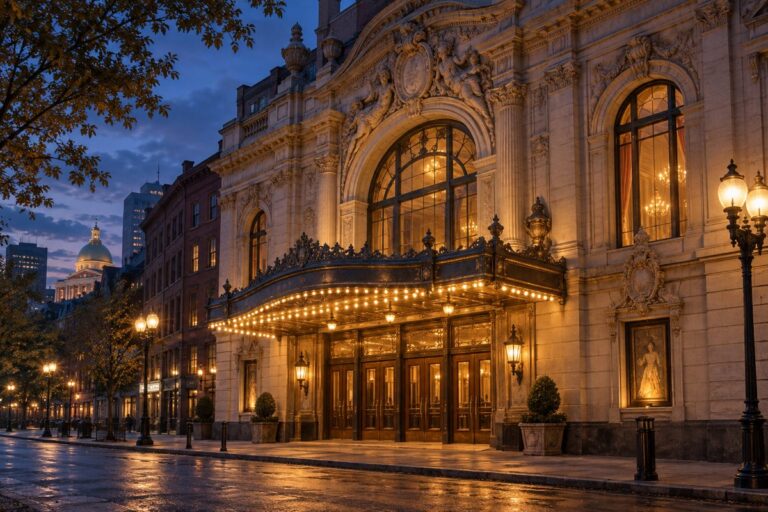
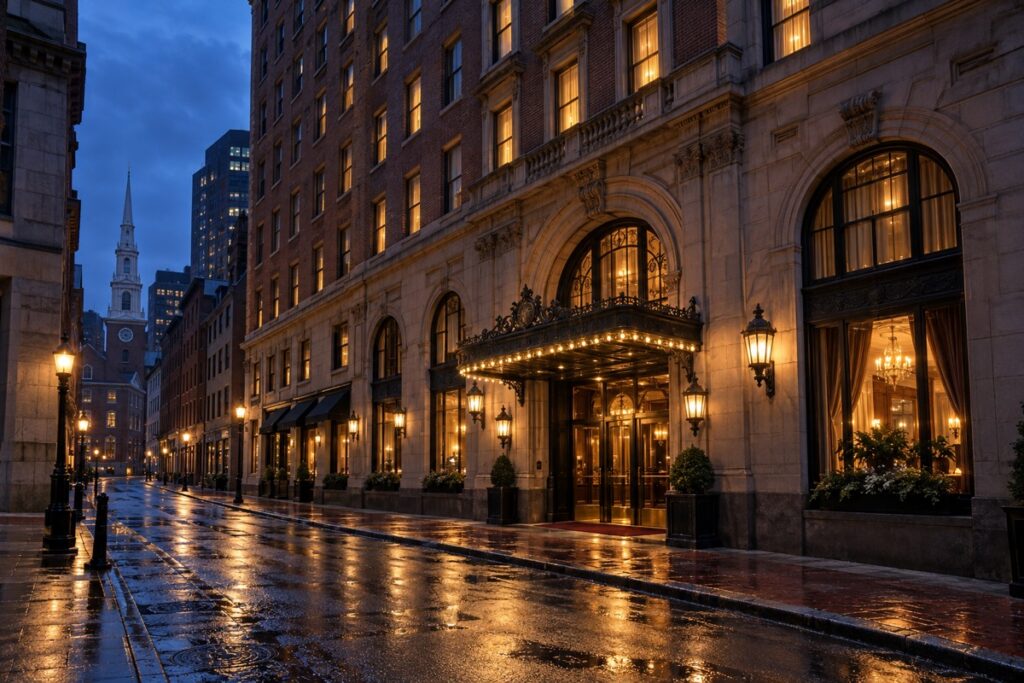
Visit the history displays and study how the hotel presents its own past. In public rooms, look for doors, portraits, decorative elements, and the relationship between the lobby and the street. Avoid disturbing guests in search of a numbered room.
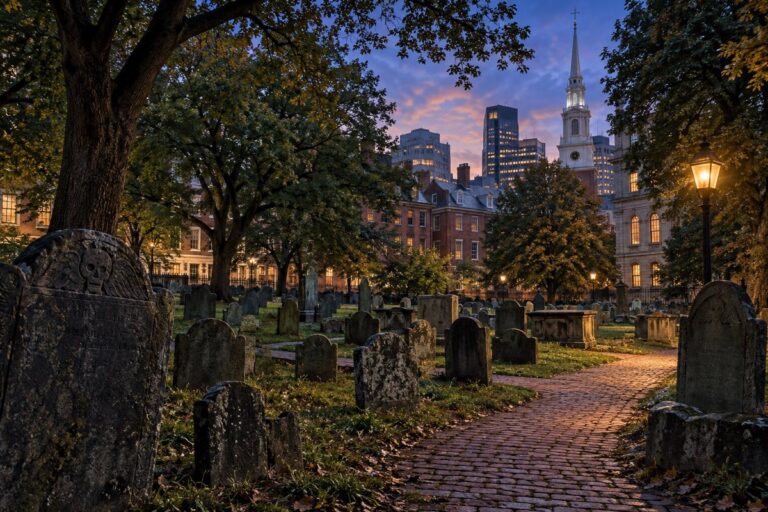
Walk the surrounding Freedom Trail blocks. King’s Chapel, Old City Hall, Boston Common, and Beacon Hill help explain why the hotel attracted public figures and why its lobby became a civic crossroads.
Planning a visit
- Location: 60 School Street, Boston, Massachusetts 02108.
- Access: The property operates as a hotel. Public restaurants and history areas follow current policies; guest floors are private.
- Best for: Literary travelers, culinary-history readers, Freedom Trail visitors, and historic-hotel enthusiasts.
- Before you go: Confirm current hours, tickets, accessibility, and photography rules on the official website.
Frequently asked questions
Is Omni Parker House haunted?
The Parker House has a well-known haunted reputation, but reports remain folklore and personal testimony.
Can the public visit?
Yes, as a hotel guest or patron of spaces clearly open to the public. Do not enter guest corridors for ghost hunting.
How much time should visitors allow?
Allow thirty to sixty minutes for public history and the surrounding block, or stay overnight for a fuller experience.
What is the most important historical context?
The Saturday Club, Dickens, hotel labor, Boston cream pie, Parker House rolls, and civic location are more securely documented than room-specific legends.
Sources and editorial note
Omni’s official history and property pages provide opening history, address, phone number, literary associations, and current operation. The City of Boston’s Parker House study report supports architectural and landmark context.
HauntsUSA separates documented history from reported experiences, local legend, and venue marketing. Paranormal claims are never stated as proven fact. Generated artwork is labeled as an editorial interpretation rather than documentary photography.
Last reviewed September 26, 2026. Visitor details can change. Confirm current information with the site before travel.